eSIM Explained: A 3-Minute Guide
Compatibility, activation, and how to avoid roaming bill shock
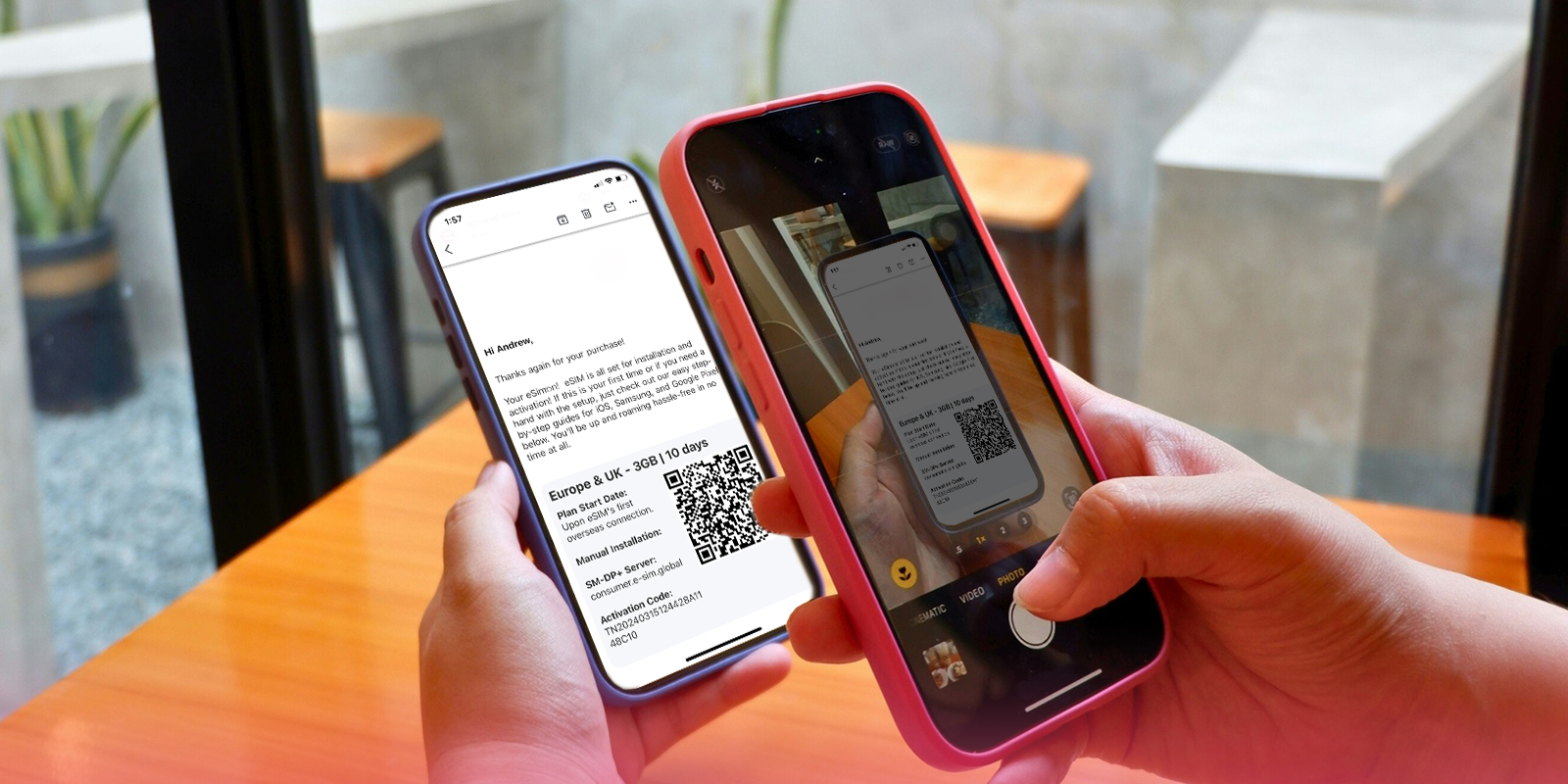
If you’ve never used an eSIM before, the concept is simple and designed to remove friction from mobile connectivity—especially when traveling.
An eSIM (embedded SIM) is a digital SIM card built directly into your device. Instead of inserting a physical SIM card, you download a mobile data plan and activate it digitally.
How eSIM works
Using an eSIM typically follows four simple steps:
Purchase an eSIM data plan online
Receive a QR code or activation details
Install the eSIM on your device
Connect automatically to a supported local network
The process usually takes only a few minutes and requires no physical hardware.
Device compatibility
Most modern smartphones support eSIM, but compatibility depends on:
The device model
The country or region where the device was purchased
Whether the device is unlocked
Checking compatibility before purchase ensures a smooth setup and avoids activation issues.
Activation and usage
Once installed, the eSIM works alongside—or independently from—your physical SIM. You can keep your main number active while using eSIM data for internet access.
Most eSIM plans activate:
On installation, or
On first connection to a supported network
This flexibility makes eSIM ideal for travel and short-term connectivity.
How eSIM helps avoid roaming charges
Traditional roaming often results in unexpected fees due to background data usage and unclear pricing.
With eSIM:
Data limits are defined in advance
Pricing is transparent
There are no surprise roaming bills
You stay in control of both usage and cost.
When eSIM makes the most sense
eSIM is particularly useful for:
International travel
Remote work abroad
Backup mobile connectivity
Tablets and secondary devices
For many users, eSIM becomes the easiest and most predictable way to stay connected.
Plan your trip with these eSIM destinations
Discover destination plans related to this topic and compare options before you travel.
Get instant global eSIM data plans with no roaming fees Activate in minutes and stay online with flexible prepaid packages